Selling herbal supplements in the UK: FSA, MHRA and claims explained
How UK rules separate food supplements from herbal medicines, what the GB claims register means for botanicals, and how to avoid borderline status.
· Updated · 2 min read · YVELIA Export Team
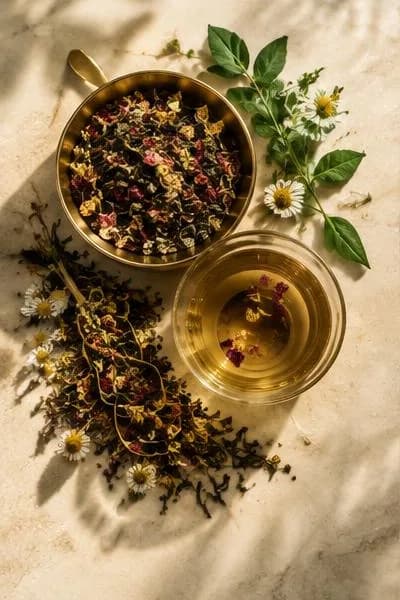
The UK is one of the most attractive markets for Indian botanicals — and one of the most rules-based. For brand owners working with an overseas supplier, the key is to decide early whether a product is a food supplement or a medicine, and to build labels around permitted claims. This is an orientation guide, not legal advice.
Food supplement or herbal medicine?
Most botanical products are sold as food supplements, regulated as food. In England the Food Standards Agency (FSA) sets policy, with Food Standards Scotland covering Scotland, and local authorities enforce. There is no pre-market approval, but the business placing the product on the market is responsible for safety and labelling.
If a product is presented as treating or preventing disease, or is intended to restore or modify physiological functions by a pharmacological action, it may be a medicine regulated by the Medicines and Healthcare products Regulatory Agency (MHRA). Herbal medicines typically go through the Traditional Herbal Registration (THR) scheme, which requires evidence of traditional use and GMP manufacture.
Avoiding borderline status
Avoid disease words such as 'treats', 'cures', 'prevents' or named conditions
Keep doses in line with food use rather than medicinal dosing
Check the product name and imagery as well as the words
Nutrition and health claims
In Great Britain, only claims on the GB Nutrition and Health Claims Register may be used. Vitamins and minerals have well-established authorised claims — for example, vitamin C contributes to the normal function of the immune system, and biotin contributes to the maintenance of normal hair and skin. Most botanical claims remain 'on hold', and their use is governed by general food law, so wording must be careful and not misleading.
A practical approach
Many UK brands pair a botanical with a vitamin or mineral at a meaningful level so they can use an authorised claim — which is why YVELIA+ IMMUNO+ includes vitamin C and zinc alongside amla, tulsi and giloy.
Novel foods and ingredient checks
Ingredients without a significant history of consumption in the UK or EU before 15 May 1997 may require novel-food authorisation. Some botanicals also carry specific safety considerations; for example, ashwagandha has been the subject of safety reviews in several European countries. Ask your supplier for a status note on every ingredient.
Import checks
Certain food and feed commodities from India can be subject to increased official controls for contaminants such as aflatoxins, pesticide residues and ethylene oxide. Confirm the current position for your product codes and make sure your supplier's testing covers the relevant risks.
How YVELIA supports UK buyers
We quote with a documentation pack built for UK supplier approval and a claims review note. See our United Kingdom market page or browse UK-ready ingredients such as turmeric extract 95% and ashwagandha root powder.