Private label vs OEM vs ODM: which route fits your brand?
A practical comparison of speed, cost, control and differentiation for brand owners developing wellness products with an overseas partner.
· Updated · 2 min read · YVELIA Export Team
The terms private label, OEM and ODM are often used interchangeably, but they describe different levels of ownership and effort. Choosing the right route early saves months and protects your margin. Here is how the three compare for wellness and supplement brands.
Private label: fastest route to market
With private label, you choose an existing, proven formulation from the manufacturer's range and sell it under your brand. The formula belongs to the manufacturer; you control the brand, packaging and pricing. Minimum orders are usually lower and launch can take weeks rather than months.
Best for: first launches, range extensions, testing a new market
Trade-off: less differentiation — competitors may sell a similar formula
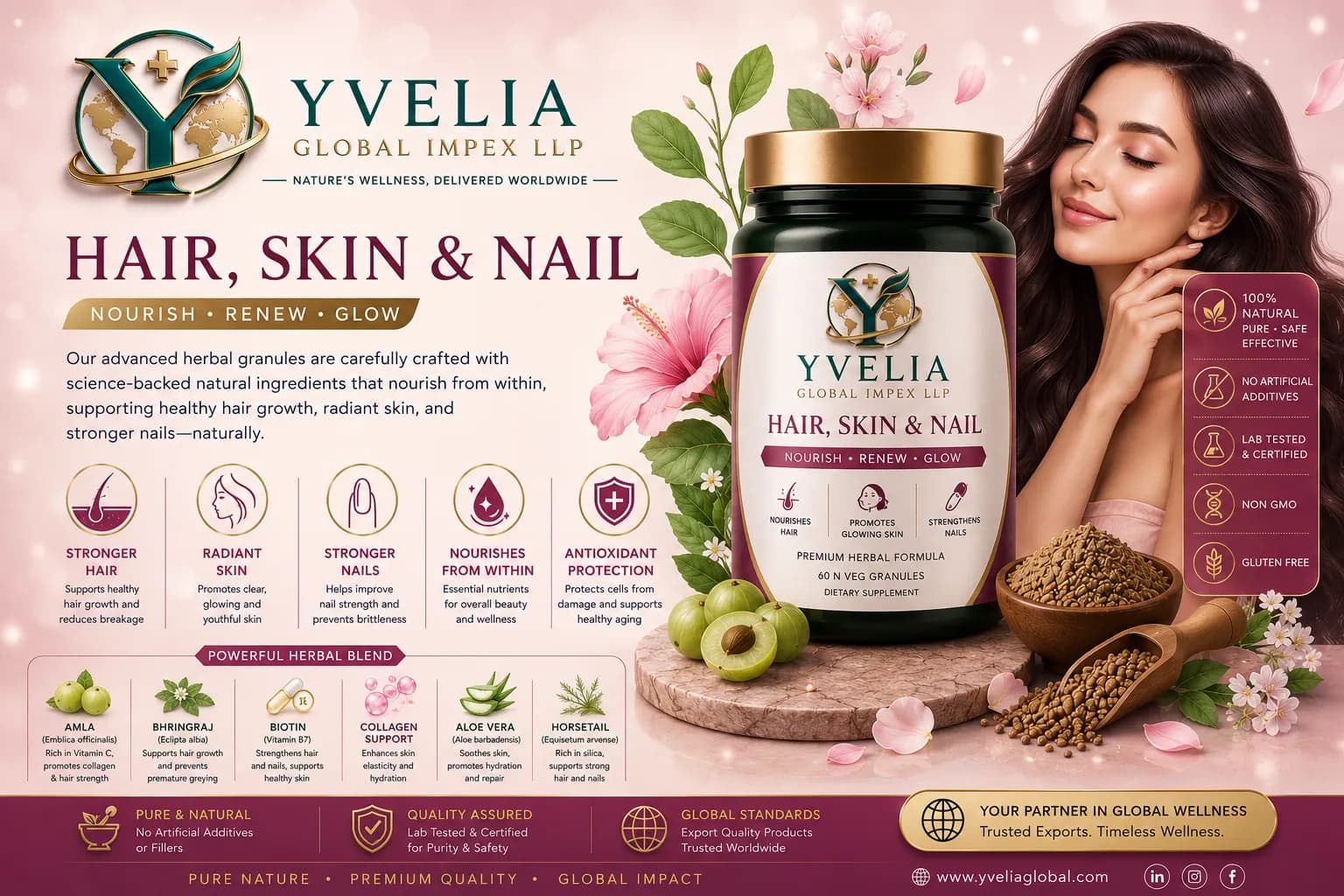
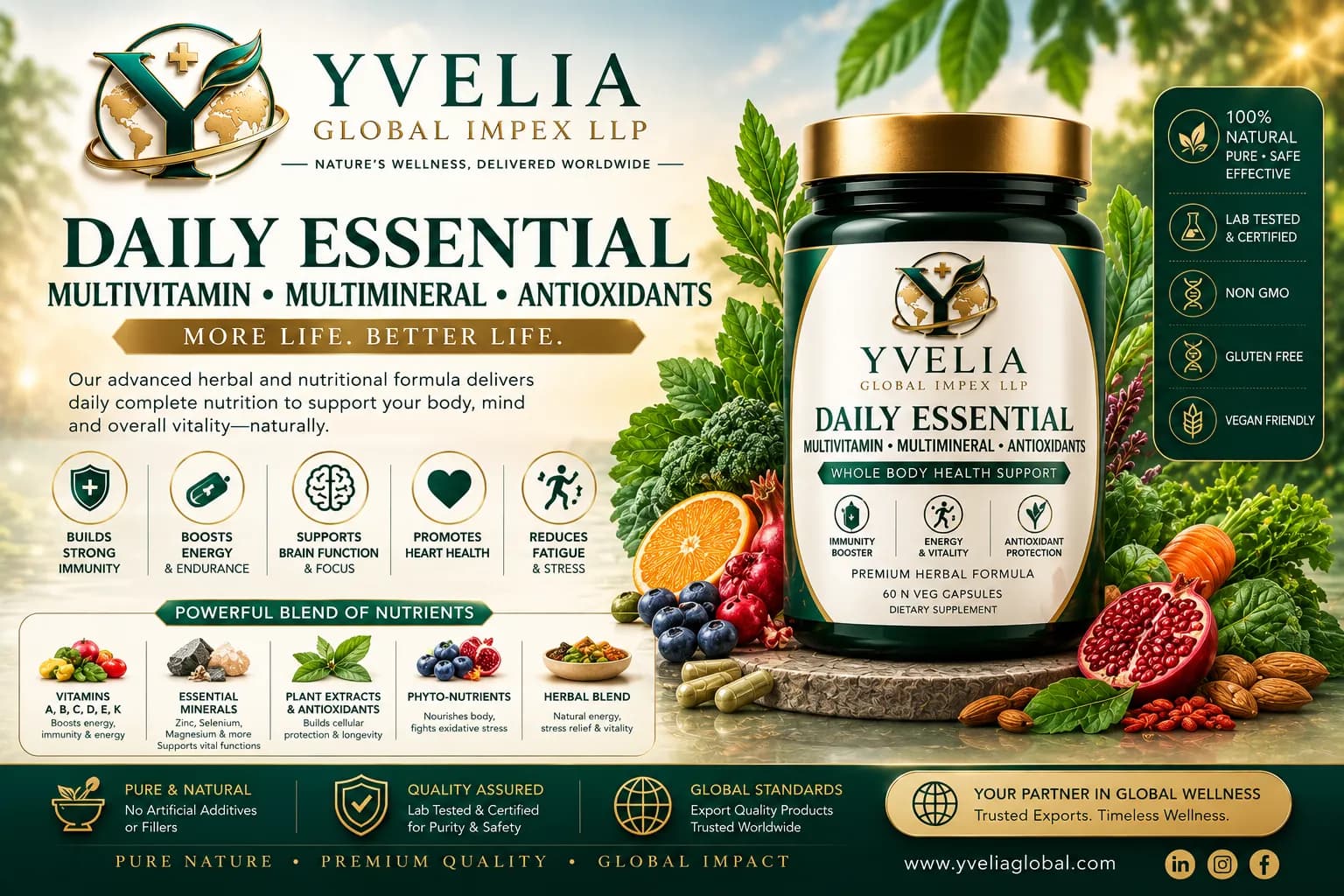
Example: YVELIA's health-goal herbal granules and the YVELIA+ Signature Blends
OEM: your formula, their factory
Original Equipment Manufacturing means the manufacturer produces a product to your specification. You bring the formula (or a detailed brief), and you usually own it. It suits brands with in-house formulation expertise that need capacity, compliance and cost efficiency.
Best for: established brands with a defined formula
Trade-off: you carry formulation responsibility and usually higher MOQs
Tip: agree specifications, testing and change-control in writing
ODM: co-developed and differentiated
Original Design Manufacturing sits between the two. The manufacturer designs a new or adapted product around your brief — ingredients, format, flavour and packaging — drawing on its formulation expertise. Ownership of the resulting formula is negotiated.
Best for: brands wanting a differentiated product without an in-house R&D team
Trade-off: longer development and sampling cycles
Tip: clarify IP ownership and exclusivity before development starts
How to decide
How quickly do you need to launch?
How important is it that no competitor sells the same formula?
Do you have formulation and regulatory expertise in-house?
What volume can you commit to in year one?
Which markets will you sell in, and which claims do you need?
A hybrid is common
Many brands launch with private label to prove demand, then move their best-sellers to ODM for differentiation. Choosing a partner that offers all three routes avoids switching suppliers as you grow.
YVELIA offers private label, OEM/ODM, custom formulation and contract manufacturing under one roof. See how the process works on our Solutions page, or start a private-label project.